


News Blog
Latest news on Spanish companies and economy
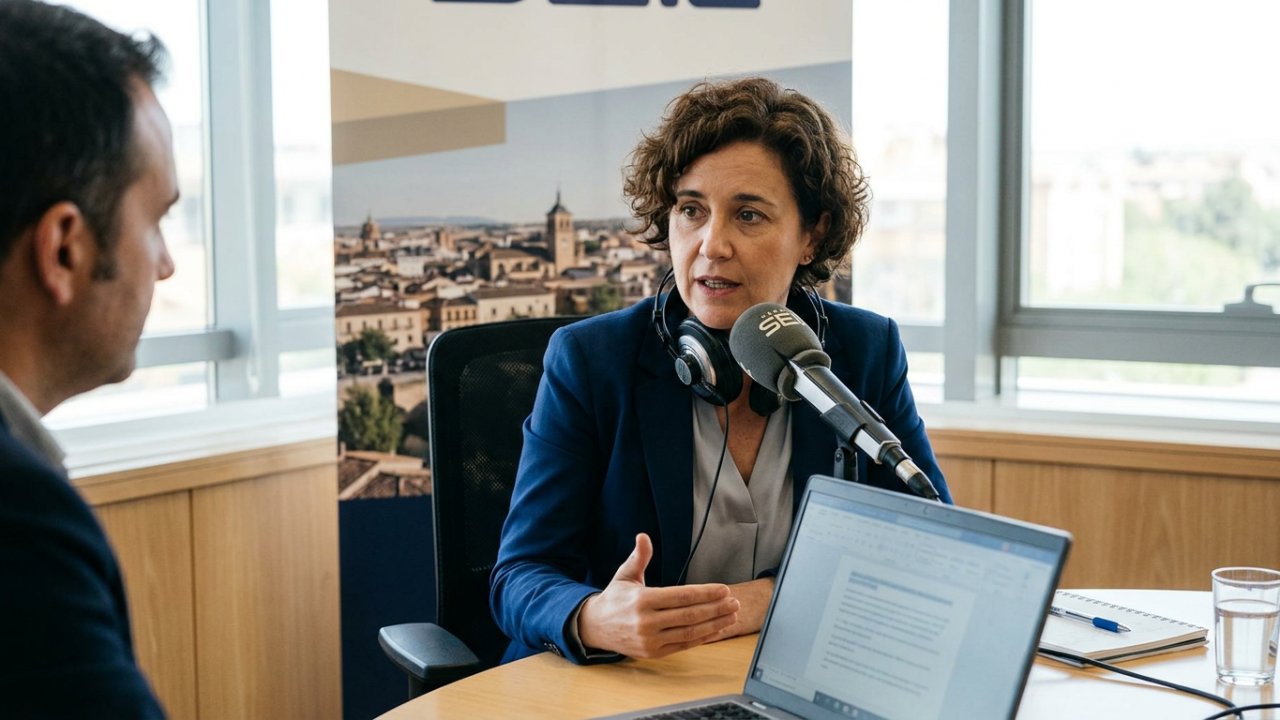
Is your company prepared for the changes ahead?
In a new installment of the space dedicated to the business world on the program "Hoy por Hoy Talavera" of Cadena SER, the professionals from the consulting firm Qalma have analyzed the profound changes facing the business fabric in 2026. The session featured Jessica Delgado, project and administration coordinator at Qalma, who focused her intervention on the recent publication of the new versions of two of the most relevant international standards: ISO 9001 for quality management and ISO 14001 for environmental management. During the talk, it was highlighted that the current environment requires companies to have a constant capacity for adaptation in the face of challenges such as rising costs, new regulatory demands, and the evolving expectations of customers. Delgado stressed that anticipation should not be seen as an extra workload, but as a strategy to work better and ensure long-term viability. In this sense, the 2026 ISO standards are not just compliance requirements but an opportunity to review internal processes and strengthen the organizational culture. One of the key points discussed was the evolution of ISO 9001:2026. This version introduces concepts such as the "quality culture" and "ethical behavior" more explicitly, requiring top management to commit genuinely to these values. Furthermore, there is a maturation in the risk-based approach, now clearly distinguishing between risk management and opportunity identification. Modern aspects have also been integrated, such as the management of hybrid and remote work, as well as business continuity in the face of potential disruptions. On the other hand, ISO 14001:2026 consolidates previous amendments on climate change and reinforces the lifecycle perspective and resource-use efficiency. Although it is a more technical and consolidating update than 9001, it remains fundamental for companies aiming to improve their environmental performance and meet the growing demands of sustainability. Jessica Delgado also offered a "roadmap" for organizations. For those already certified, a transition period of three years opens to adapt to the new requirements. However, the message was also addressed to small and medium-sized enterprises (SMEs) that do not yet have certifications, encouraging them to adopt these frameworks to improve their competitiveness. Qalma's pedagogical work on local radio precisely seeks to prompt the entrepreneurs of Talavera de la Reina and its surrounding areas to break out of daily routine to reflect on the risks and, above all, the opportunities these regulatory changes bring.
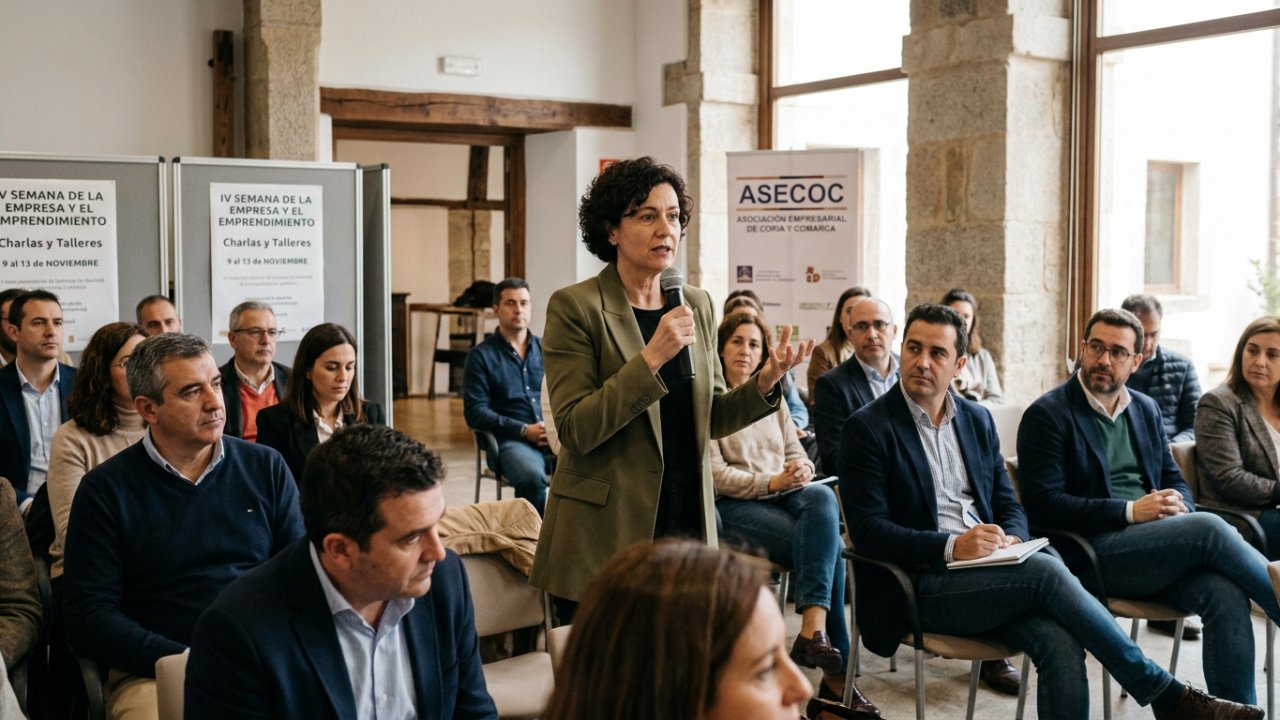
The Association of Entrepreneurs of Coria launches the 4th Week of Entrepreneurship.
The Business Association of Coria and its Surroundings (Asecoc) has presented the official program of the IV Week of Business and Entrepreneurship, an annual event that has consolidated itself as the driving force behind the productive fabric of the area. The event, which will take place from November 9 to 13, 2026, aims not only to foster entrepreneurial spirit among the youngest but also to offer a space for updating and retraining for already established entrepreneurs. The main objective is to provide participants with strategic knowledge in areas that are transforming the global market, such as advanced digitalization, artificial intelligence, and business sustainability. The inauguration will take place on Monday, November 9 at 10:30 a.m. at the facilities of I.E.S. Caurium. The opening day will feature Ramón Barbado, who will deliver a motivational talk focused on resilience and business vision. Subsequently, the case of success of a regional startup will be presented, serving as inspiration for students and attendees. The morning will be completed with talks focused on generational succession, a vital challenge for family businesses in the comarca, and a session on finance and innovation led by professionals from Unicaja, who will also alert about the risks of digital security in the corporate environment. On Tuesday, November 10, the agenda intensifies with an eminently practical approach. Workshops will be held such as “Create your company with AI,” where applications of artificial intelligence will be explored to optimize business processes from conception. Another notable activity is “The Bags Full of Drive” (Las Maletas Llenas de Ganas), aimed at entrepreneurial attitude. In the afternoon, the spotlight will be on Emilio Duró, whose conference “Live with meaning, optimism and hope in times of uncertainty” promises to attract a large number of attendees at the Hotel Restaurante San Cristóbal at 8:00 p.m. After the talk, a networking cocktail will be held, a vital space for exchanging experiences and creating synergies among the various economic actors of Coria. The last three days of the week, from November 11 to 13, will be dedicated to Open Doors Days. Several local companies will open their facilities to show their internal workings, enabling a direct connection between the academic world and the labor market. In addition, technical seminars will be offered such as “Protect Your Business, Improve Your Finances and Prepare for the Future” and a marketing session led by Alex Trapote entitled “How to Throw Money into Marketing. And How to Stop Doing It.” With this comprehensive deployment, ASECOC seeks to position Coria as a reference of innovation and business collaboration in Extremadura, inviting all citizens to participate in this week dedicated to talent and the economic future of the comarca.
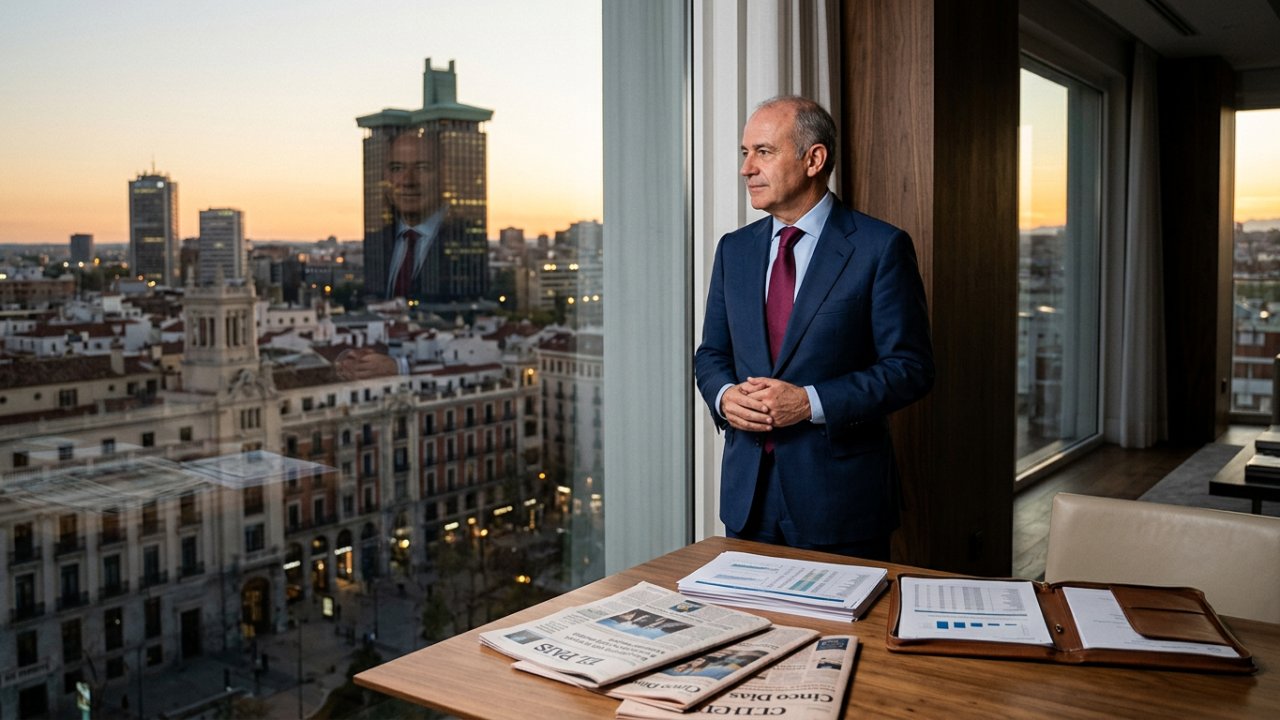
The 100 largest fortunes in Spain increase their wealth by 16.1% compared with last year and exceed 300 billion.
The 2026 edition of Forbes' list of "Spain's 100 Richest" reveals a historic growth in the wealth of Spain's great fortunes. According to the report published on November 3, collective wealth of the ranking members has risen 16.1% compared to the previous year, reaching a record figure of 300.530 billion euros. This increase, which doubles the intensity of growth recorded in the prior year, reflects a significant patrimonial acceleration, with total fortune having more than doubled in barely four years. Amancio Ortega, founder of Inditex, continues to lead the ranking indisputably for more than a decade. At 90 years old, his wealth has grown 13.9% to stand at 125.200 billion euros, representing 41.7% of the total on the list. This performance not only consolidates him as the richest man in Spain and in Europe, but places him within the world’s top 10 fortunes according to Forbes USA, surpassing figures such as Bernard Arnault. In second position remains his daughter, Sandra Ortega, with an estimated fortune of 11.500 billion euros, reaffirming her status as the country’s richest woman. The podium is completed by Juan Roig, president of Mercadona, whose wealth has undergone a spectacular jump of 24%, reaching 9.800 billion euros and reclaiming the third place he lost in 2021. One of the most notable novelties is the rise of Juan Carlos Escotet, president of Abanca, who climbs to fourth place with 8.100 billion euros, 31% more than last year, driven by the solid performance of the banking sector. This move has displaced Rafael del Pino Calvo-Sotelo, chairman of Ferrovial, to fifth position with 7.800 billion euros. The ranking also highlights new entrants and the growth of other profiles. Florentino Pérez, president of ACS and Real Madrid, has seen his fortune grow 58% to 4.900 billion, placing him seventh. Meanwhile, Ana Botín, president of Banco Santander, enters the list at position 97 with 700 million euros. The strongest debut is led by Fernando Masaveu, who enters directly at position 30 with 1.700 billion. Female presence on the list accounts for 26 women, whose combined wealth has grown 14% to 64.780 billion euros. Additionally, the list reflects a generational shift with Enrique Riquelme, at 37 years old, as the youngest member. To be part of this exclusive club in 2026, the cutoff has risen to 510 million euros, evidencing that wealth in Spain is increasingly concentrated and expanding.
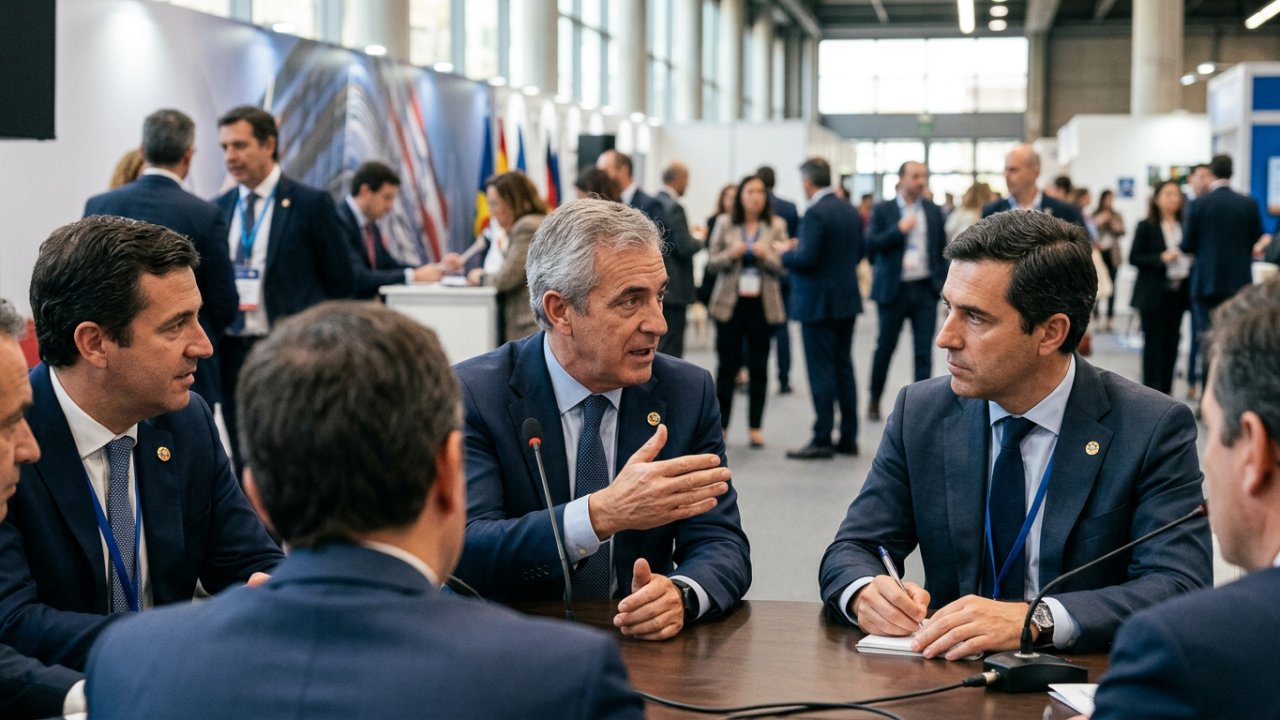
Ibero-America strengthens its commitment to dialogue between governments and businesses.
The XVI Ibero-American Business Encounter was inaugurated this Tuesday at the Las Ventas Bullring in Madrid, consolidating itself as a fundamental space for collaboration between the public and private sectors of the region. The event, held within the framework of the XXX Ibero-American Summit of Heads of State and Government, brought together more than 2,000 participants from 42 countries. The opening featured the presence of Antonio Garamendi, president of CEOE and of the Ibero-American Business Council (CEIB); Andrés Allamand, Ibero-American Secretary General; José Manuel Albares, Spain’s Minister of Foreign Affairs; and Amparo López Senovilla, Secretary of State for Commerce. During the sessions, it was stressed that ongoing dialogue between governments and businesses is the most effective path to transform political priorities into real economic commitments that benefit society. Antonio Garamendi highlighted that “the moment is Ibero-America’s,” noting that the region has more than 600 million people and vital strategic resources such as lithium, copper, and vast potential in renewable energies. According to presented data, foreign direct investment in the area has grown from 8% in 2015 to 12.8% in 2025, reinforcing its role as a reliable partner in a context of global volatility. In this regard, the “Madrid Declaration” was presented, signed by 29 business organizations from 22 countries, which defends that sustainable development does not exist without solid institutions, legal certainty, freedom of enterprise, and respect for private property. The business leaders urged governments to implement quality regulation that fosters investment and formal employment. The meeting also served to commemorate the tenth anniversary of CEIB, a network representing 33 million companies. As part of the novelties, the “Ibero-American Business Space Connect” was launched, a digital platform supported by the Inter-American Development Bank (IDB) to facilitate business networking. In addition, topics such as open innovation and the dynamism of fintechs in the region were addressed. The event will conclude with the handover of CEIB presidency from Spain to Honduras, represented by Anabel Gallardo, and will feature the official closing by King Felipe VI, reaffirming the institutional commitment to Ibero-American economic integration.

31% of global companies are led by women, twice as many as in 2013.
The report published by the International Labour Organization (ILO) reveals a significant advance in female representation at the highest levels of the global corporate sphere. According to data collected in 2025 from nearly 12,000 companies in 99 countries, 30.9% of companies worldwide are currently led by a woman. This figure represents more than double the percentage recorded in 2013, suggesting a positive trend toward breaking the so-called "glass ceiling," although the body warns that numerous structural and cultural obstacles that limit full progress still persist. The study also analyzes the evolution of other top management positions. The proportion of companies with a female chief executive officer (CEO) has risen from 23.4% to 28.2% over the last twelve years. While this growth is notable, the ILO emphasizes that the pace of advancement in top executive roles is markedly slower than in the presidencies of boards of directors. This disparity highlights the difficulties women face in accessing operational and strategic high-level roles, often relegated to support or advisory functions. Regionally, the report places the Americas at the forefront of female corporate leadership, with 35.2% of companies led by women. They are followed by Africa with 33.2% and Europe with 30.6%. In contrast, the Arab States region (27.8%) and Asia-Pacific (27%) show the lowest percentages, evidencing gaps that still condition women's access to corporate power. These data contrast with the educational reality, where women outperform men in higher education, with enrollment rates of 46.4% versus 40.3%, demonstrating untapped qualified female talent. One of the report’s most concerning findings is the persistence of hierarchical segregation. Female presence thins as one climbs the organizational pyramid. While at the lower and middle supervisory levels women's representation hovers around 70%, this figure drops dramatically to 56.3% in the senior management category and barely rises to 35.5% in top leadership positions. By sector, human resources management stands out as the area with the greatest presence of women in senior leadership positions (63.5%), followed by finance (55.4%) and communications (43.5%). Finally, the ILO emphasizes that equality is not only a matter of justice but of profitability. Almost seven out of ten surveyed companies confirmed that gender diversity improves economic results and innovation. However, there is an alarming gap between theory and practice: although 75% of firms report having gender policies, only 26.5% implement practical measures, a rate that has declined even since 2018. The report concludes that it is imperative to move from formal commitments to tangible actions to ensure equitable representation.

Our priority is to accompany the Spanish company in the development of logistics activity.
The Spanish Center for Logistics (CEL) has defined its strategic roadmap for 2026, placing talent management and technological innovation as the fundamental pillars for the development of logistics activity in Spain. In a recent interview, Ramón García, the organization’s general director, emphasized that the entity’s absolute priority is to accompany Spanish companies in their competitive evolution, facing the challenges of a globalized and digitized market. One of the critical points identified is the duality in the demand for professional profiles. In the short term, the sector continues to suffer a significant shortage of traditional operational profiles, such as transport workers, drivers, and warehouse operatives. However, digital transformation has introduced new urgent needs in areas of cybersecurity, data management, and sustainability. García emphasizes that modern logistics is, in essence, information management, and there is a notable gap in the ability of companies to interpret and practically apply the data generated. Looking to the future with a long-range vision, the CEL advocates for the creation of a new category of professionals: the "technologístucos." These hybrid profiles combine deep functional knowledge of the logistics business with advanced competencies in disruptive technologies such as Artificial Intelligence, Big Data, and Blockchain. According to the CEL director, these technologies are not merely incremental — that is, not just to do the same thing faster — but transformative, enabling new business models and ways of operating that were previously unthinkable. The strategy for 2026 rests on solid growth recorded during 2025, a year in which CEL increased its number of members by 15% and experienced a spectacular 384% rise in its training activity, reaching more than 1,400 students. This momentum will be reinforced with the launch of the CEL Catalonia Committee, joining the already consolidated CEL Levante Committee, with the aim of strengthening business dialogue and territorial presence in key logistics hubs such as Madrid, Barcelona, Valencia, and Seville. In addition, the organization is promoting projects such as "Phoenix" (Fénix), a co-created training update initiative with companies to ensure curricula align with real market needs. Also highlighted is the creation of thematic committees dedicated to sustainability and the transport of goods by train, reflecting the sector’s commitment to decarbonization. Ramón García insists that leadership in logistics transformation is not optional; organizations must choose between reacting to the consequences of change or leading technological evolution to avoid being left out of the market. The integration of virtual and immersive training tools is another bet for 2026, aiming to modernize teaching and adapt it to new learning habits. Public-private collaboration and the promotion of an innovation ecosystem are, therefore, cross-cutting elements in this strategy that seeks to position Spanish logistics as a benchmark of excellence and efficiency at an international level.
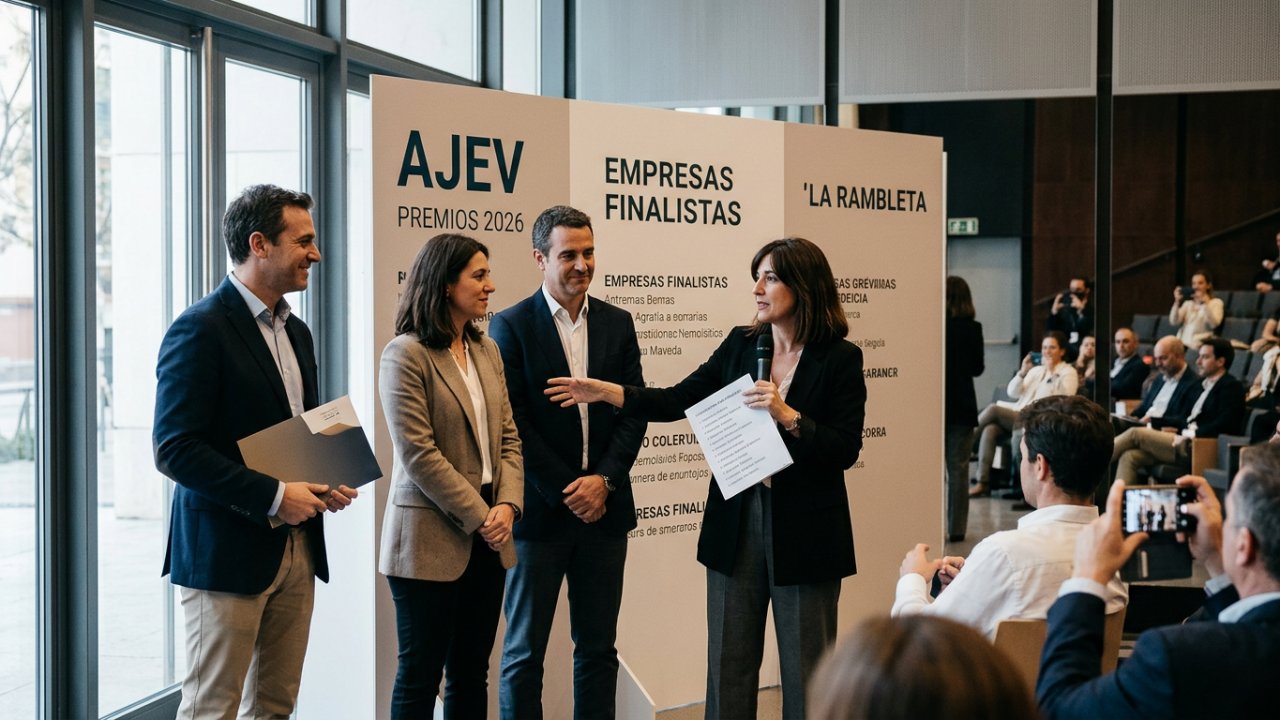
AJEV announces the 16 finalist companies for its 2026 awards.
The Valencia Association of Young Entrepreneurs (AJEV) has officially revealed the list of the 16 companies that will compete as finalists in the prestigious AJEV Awards 2026 edition. This announcement marks a fundamental milestone in the Valencian Community’s business calendar, highlighting the talent, innovation, and resilience of the young entrepreneurs who lead the regional economic fabric. The final selection was carried out after a rigorous technical evaluation process and deliberation by an expert jury, which had to choose from a total of 53 submitted candidates, a figure that demonstrates the growing interest and vitality of the local entrepreneurial ecosystem. The grand awards ceremony will take place next Thursday, November 12, at 6:30 p.m. at the La Rambleta cultural center in Valencia. For this edition, the organization has chosen the motto “Each company has a heartbeat,” an expression of intent that seeks to humanize the figure of the businessman and businesswoman. The objective is to shift the focus away from mere financial balances to center on the people behind each project: their deep motivations, personal sacrifices, fears overcome, and the unbreakable passion that drives them to continue building a business despite the difficulties. One of the most significant novelties this year is the territorial expansion of the awards. For the first time, the bases have opened to the participation of companies based in the province of Castellón, which has notably enriched the diversity of the projects and allowed the integration of new trajectories from the Castellón business fabric into this recognition network. The 16 finalist companies are: Fivecomm, Tu Arrocero, Crowmie, Winncare, Sanideco, Sky Mantenimientos, Equipo Nerea López, Aspai Obrador, Bermell Inversiones, Clotsy Brand, Javier Coves Paisajismo, IMAE, Bruma Atelier, Pequeños Grandes Héroes, Peralta Vidavi, and Terraneum. These firms cover sectors as diverse as 5G technology, textile sustainability, artisanal gastronomy, logistics, and landscaping, demonstrating the versatility of Valencian young entrepreneurship. In the main category, the AJEV Award for “Young Entrepreneur of the Year,” the finalists are Davinia Tomás (Peralta Vidavi), Alba Hoyo (Aspai Obrador), and Juan Vicente Marín (Terraneum). In addition, five special prizes will be awarded recognizing specific areas of excellence. In Innovation (Cupra JR Valle), the finalists are Fivecomm, Tu Arrocero, and Crowmie. In the People category (ESIC), the selected are Aspai Obrador, Equipo Nerea López, and Sky Mantenimientos. For the Impact prize (MAPFRE), the finalists are Bermell Inversiones, Clotsy Brand, and Javier Coves Paisajismo. The International category (Valencia Chamber) features Sanideco, Winncare, and Fivecomm. Finally, the Revelation prize (Caixa Popular) will be decided among Bruma Atelier, IMAE, and Pequeños Grandes Héroes. The jury has been composed of representatives from key institutions such as the City Council of Valencia, Valencia Chamber, and various sponsoring entities. In addition to the competitive prizes, a Honorary Mention will be awarded to M.ª José Félix for her outstanding career. The winners will not only receive the trophy but also substantial media visibility, including outdoor advertising campaigns in Valencia, thereby consolidating their status as leading benchmarks of young business success.
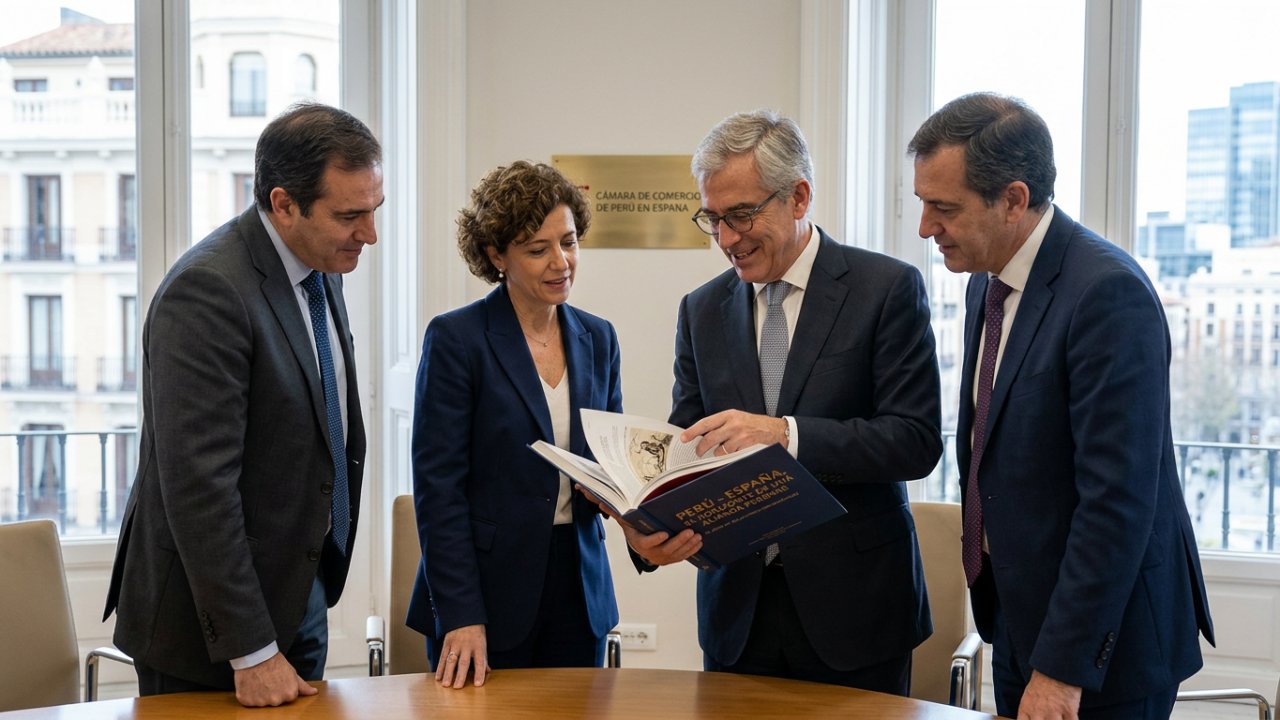
The CCPE celebrates three decades of a business alliance between Peru and Spain with a commemorative book.
The Chamber of Commerce of Peru in Spain (CCPE) commemorated its three decades of institutional activity with the publication of the book "Peru - Spain, the horizon of a perennial alliance." The official presentation of this work took place on October 29, 2026, at the Cuatrecasas Auditorium in Madrid, in a gathering that stood out for its sobriety and for the high representation of leaders from the external sector. This commemorative book is not simply a historical balance sheet, but a tool for deep analysis on the evolution of business cooperation and the investment flows that have defined the relationship between the two nations since the chamber was founded in 1995. The work is organized around three strategic axes. The first explores institutionalism and the bilateral alliance, emphasizing legal security and corporate diplomacy as the foundations of mutual trust. It highlights how the legal framework and international agreements have provided the stability necessary for Spanish and Peruvian companies to develop long-term projects. The second axis delves into strategic sectors and cross-investment, providing figures that demonstrate the vitality of the bond. In 2025, bilateral trade experienced a notable 27% increase, reaching 3.768 billion dollars. Spain remains Peru’s largest trading partner in Europe and the second most important foreign investor, with cumulative investment of 5.227 billion dollars in key sectors such as infrastructure, energy, finance, and telecommunications. Similarly, the book documents the reverse phenomenon: the growing interest of Peruvian companies in the Spanish market. With investment already surpassing 1.061 billion euros, Peru has become a relevant player in Spain, especially in sectors such as gastronomy, services, and technology. The third axis of the book looks to the future, proposing a roadmap based on innovation and sustainability. The General Manager of the CCPE, Aurelia Ramírez Quiroz, stressed during the event that the title of the work reflects the vision of an alliance that aspires to be eternal and adaptable to new global challenges. The presentation event had the support of fundamental entities such as the Embassy of Peru in Spain, PromPerú, Marca Perú, and the Spain-Peru Foundation Council. The publication also records the CCPE’s impact as a bridge for internationalization, offering advisory services, training, and networking that have benefited hundreds of members over these 30 years. In short, this book celebrates the success of a strategic partnership that has transformed the economic reality of both countries, reaffirming the Chamber’s commitment to continue being the engine of this perennial alliance in the decades to come.
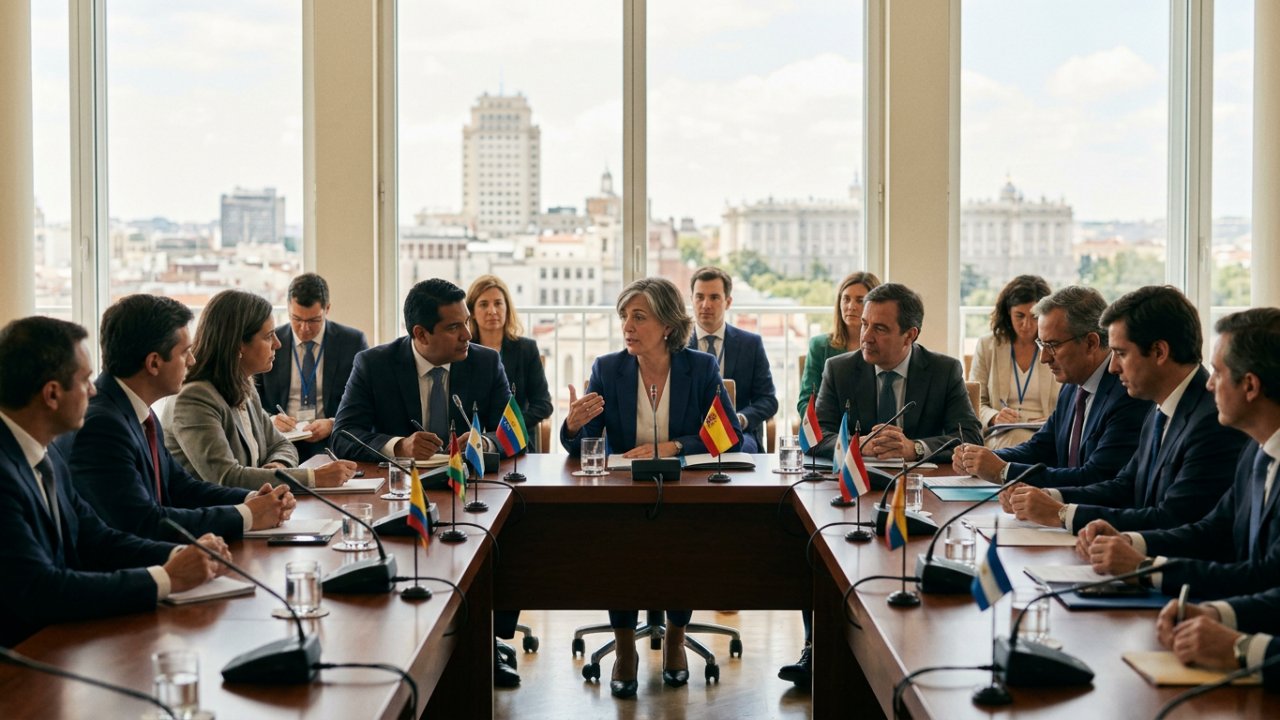
Madrid becomes the meeting point of Ibero-America: the 30th Summit puts on the table the challenges of the future
The Spanish capital has transformed into the epicenter of regional diplomacy with the start of the XXX Ibero-American Summit of Heads of State and Government. Under the motto "Ibero-America. Together we build our Community. Together we project it toward the future and toward the world," this gathering marks a significant milestone as it takes place 35 years after the first summit in Guadalajara, Mexico. The Madrid meeting, chaired by King Felipe VI, brings together political leaders, institutional representatives and more than two thousand businesspeople from the 22 countries that comprise the community, with the firm purpose of renewing transatlantic ties and addressing contemporary global challenges. The summit's agenda is driven by the need to strengthen multilateralism in an international context characterized by political fragmentation and competition among major powers. Among the priority topics are digital transformation, social inclusion and sustainable development. The leaders seek consensus in critical areas such as the energy transition, with particular emphasis on green hydrogen and renewable energies, as well as in creating a cooperative architecture that responds to the demands of today's societies. Likewise, strategies are discussed to mitigate the effects of climate change and to jointly manage migratory flows and regional security. Parallel to the political sessions, the XVI Ibero-American Business Meeting, held in the emblematic Plaza de Las Ventas, underscores the importance of public-private collaboration. This economic forum features participation by key figures such as the presidents of CAF, the European Investment Bank and ECLAC, as well as executives of large corporations. The aim is to energize a market of more than 600 million people, promoting investments that generate quality employment and foster technological innovation. The summit also includes technical spaces such as the Ibero-American Digital Forum and meetings of national coordinators to finalize the "Madrid Declaration," a strategic document that will chart the roadmap for regional cooperation for the coming years. Despite the absence of some leaders and the ideological differences present in the region, the summit reaffirms the relevance of this space for dialogue. The presence of leaders such as Luis Abinader, José Antonio Kast, Javier Milei and Santiago Peña, among others, demonstrates the interest in maintaining a platform of direct dialogue. Spain, as host for the fourth time in the history of these gatherings, takes on the challenge of acting as a bridge between Europe and Latin America, seeking common solutions to global problems such as the digital divide and social cohesion, ensuring that the Ibero-American community remains a relevant actor on the world stage.